When a Body Needs a Way Forward
A client of mine, Patricia, was recently interviewed about her experience rebuilding her health after breast cancer treatment. Her story is deeply personal, and I am grateful she has chosen to share it.
What I want to highlight here is not the diagnosis, and not the medical treatment. That was the role of her oncology team. It’s my role that came afterwards, when Patricia was trying to support a body that had been through a lot.
Her gut was struggling. Her appetite had changed. Her energy was low. Her weight had shifted. Her body felt out of balance, and she wanted a clear, structured way to support healing, nourishment and recovery.
This is where clinical nutrition can be so powerful. Not as a replacement for medical care, but as an allied health practitioner that’s part of the rebuilding picture.
When information is not enough
Patricia spoke in the interview about the value of having a personalised plan, but also about the importance of being guided through it. That distinction is important, because information is not the same as interpretation. And a food list is not the same as clinical support.
Most people know they need to eat well. Many know they need more protein, more vegetables, better sleep, better routines and less stress on the body. But when your body feels depleted, inflamed, reactive or unfamiliar, knowing what to do and knowing how to start are very different things.
This is the gap where so many people get stuck. They are not lacking motivation. They are often trying very hard. They are reading, listening, searching, saving posts, asking questions and attempting to piece together a plan from fragments of information.
But a body that is under stress does not always respond to generic advice.
It needs context.
It needs a strategy.
It needs someone who can look at the bigger picture and help make sense of what is happening.
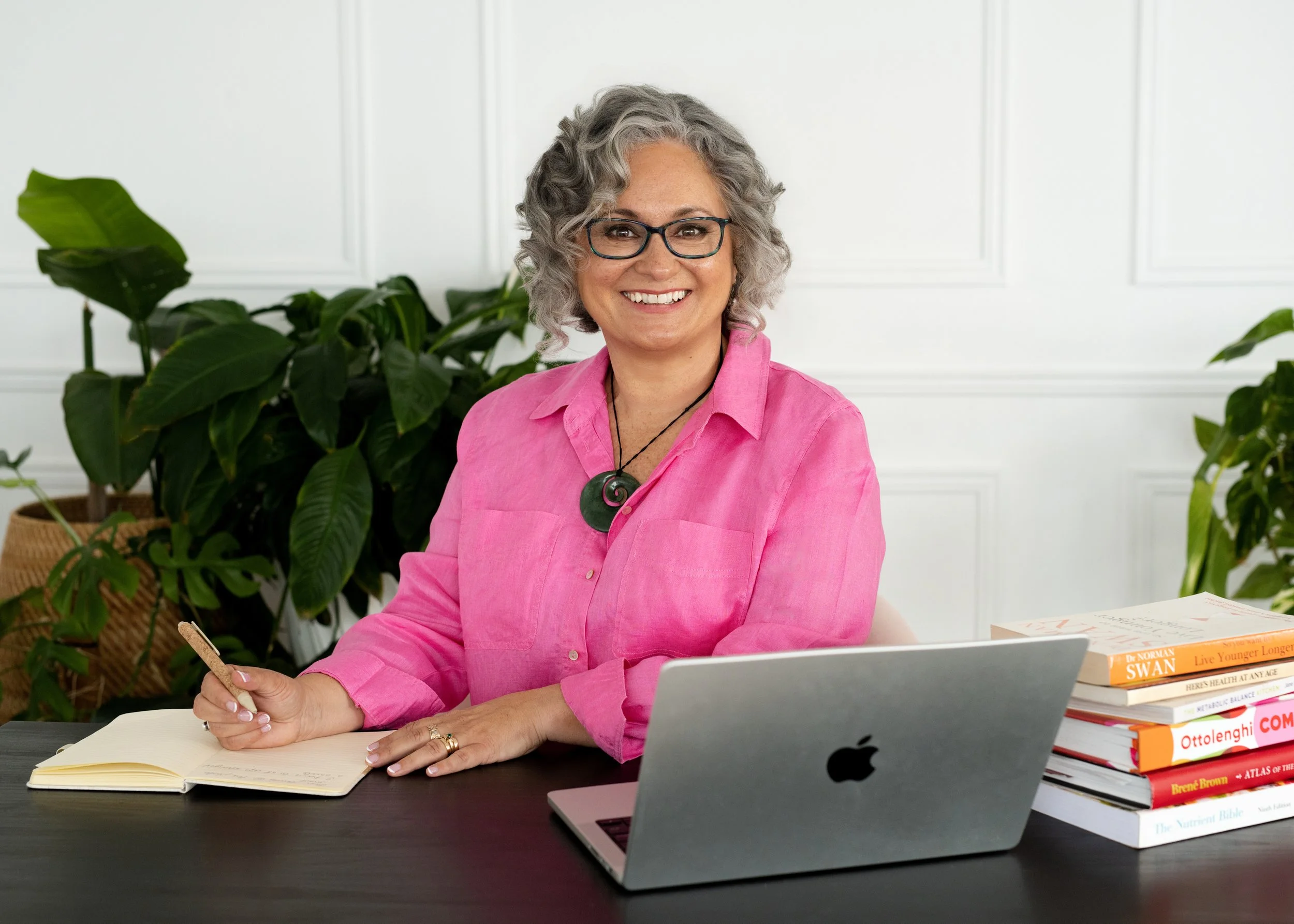
Mary-Leigh Scheerhoorn - Clinical Nutritionist and Accredited Metabolic Balance® Practitioner/Reseller
The role of clinical nutrition
My work is about helping clients understand what their body is asking for, then creating a practical structure they can implement in real life.
That means looking at health history, symptoms, blood markers, genetics, digestion, energy, stress load, food patterns, lifestyle demands and the broader picture of what the body has been carrying. It also means translating that information into something that feels doable.
A plan should not simply tell someone what to eat. It should help them understand why certain choices matter, what their body needs right now, and how to keep moving forward when life is full, unpredictable or difficult.
In Patricia’s case, structured personalised nutrition gave her a way to begin nourishing her body with more clarity and confidence. It gave her a framework for rebuilding her food rhythm, supporting her digestion, improving her protein intake, and bringing more balance back into the way she was eating day to day.
But just as importantly, she was not doing it alone.
A guiding hand, not a taskmaster
One of the things Patricia said in the interview was that the structured support gave her a sense of safety.
When I heard her say that I was quite moved, because its something I talk about with my clients often. A body that doesn't feel safe will always choose survival over healing, or procreation, or growing stronger. And for Patricia, her body had felt unpredictable, so safety as a foundation to healing was key.
A good plan should not feel like punishment, it should feel like a way forward. And good support should feel like a guiding hand, not a taskmaster.
This is something I see often in practice. When people have been through a significant health event, a long period of stress, hormone changes, burnout, weight shifts, digestive disruption or simply years of feeling unlike themselves, they often do not need more noise.
They need someone who can help them slow the noise down. Someone who can interpret the information, identify the priorities, and create a structured path that feels steady enough to follow.
This is the work I love. Helping clients rebuild trust, strength, nourishment and confidence in their own body.
Not through quick fixes, punishment, pills, powders and generic plans. But through clinical nutrition, personalised strategy and practical support that fits real life.
You can watch Patricia’s conversation here: How Personalised Nutrition Supported Patricia’s Recovery
I’m Mary-Leigh Scheerhoorn, a Nutritional Medicine Practitioner working at the intersection of clinical nutrition, lifestyle medicine and precision health. My work is grounded in science, shaped by lived experience, and designed for real life.
If Patricia’s story resonates with you, or you are looking for structured, personalised support for your own health, click the link below to book a Wayfinding Session.