Welcome to the Health Digest
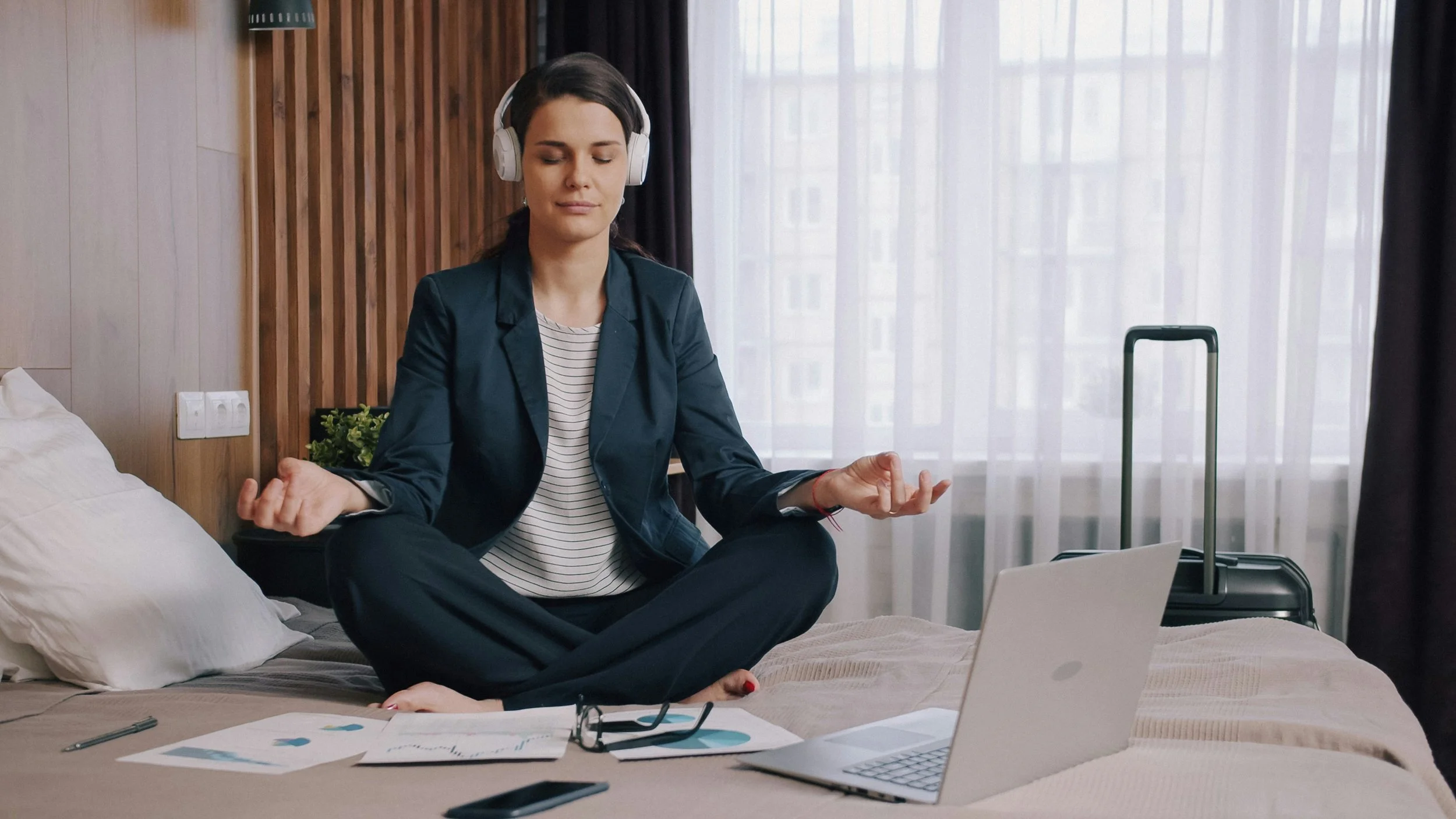
Workplace Wellbeing Is What the Working Day Allows
There’s often a gap between the workplace culture an organisation intends to create and the culture that evolves when the pressure stays on. Temporary extra effort becomes the way work is done, while “take care of yourself” becomes one more instruction people don’t have time to follow.

When good marketing sounds like health advice…
The wellness world has never had more answers.
Whatever you are experiencing, fatigue, poor sleep, brain fog, weight changes, digestive symptoms or simply not feeling like yourself, someone online can explain the cause in sixty seconds and sell you the solution in the next sixty.
The problem is that recognising your symptoms does not confirm what is causing them.
A supplement, treatment or protocol can be evidence-based and genuinely helpful for some people while still being unnecessary, inappropriate or completely irrelevant to you. And a large following, an impressive title or a convincing scientific explanation does not remove the need to ask better questions.
In this article, I share a practical filter for assessing health and wellbeing advice: how to look beyond “science-backed”, follow both the expertise and the money, recognise the limits of self-treatment, and know when what you need may be professional perspective rather than another product.
Because matching a solution to a symptom is not the same as understanding the problem.
This is the final article in my four-part series on the wellness industrial complex:
The Wellness Industrial Complex
What Are We Actually Chasing?
Before You Add Another Thing to Your Health Routine
When Good Marketing Sounds Like Health Advice

Before You Add Another Thing to Your Health Routine...
There is an enormous amount of money to be made from convincing us that the answer to feeling better is something we have not bought yet.
The latest longevity supplement, wearable that monitors another bodily function, red-light therapy, blue-light glasses, intravenous vitamins. A powder made from something grown halfway up a remote mountain and harvested under conditions that apparently justify the price.
Some of these things may have value. Some have emerging evidence. Some are probably doing little more than taking a recurring payment out of your bank account.
But before we ask whether the latest product or protocol works, there is a more useful question: What is it being asked to compensate for?

What Are We Actually Chasing?
When we say we want more energy, better sleep, greater strength or a longer life, what are we actually hoping those things will make possible?
Health is not the final destination. It is part of the infrastructure that allows us to participate, connect, create and contribute.
This article explores what happens when wellness itself becomes the project, whose version of “well” we may be pursuing, and why the real goal is not simply better health, but a life we have the capacity to live well.

The Wellness Industrial Complex: When Living Well Becomes Something We Have to Buy
When did living well become so complicated, expensive and dependent on buying more stuff?
The “wellness industrial complex” describes the machinery that takes our legitimate concerns about health, ageing and how we feel, turns them into problems, then sells us the supposed solution. In this article, I explore why that marketing is so persuasive, how social media amplifies it, and why the foundations our biology depends on still matter more than the latest supplement, device or health hack.
Sometimes the most useful question is not “Does this work?” but “Did I know I had this problem before somebody tried to sell me the solution?”

Matariki: A Midwinter Time to Reflect
Winter is a time of contraction. As the days shorten and the pace in the natural world shifts, Matariki offers a natural time to pause, reflect and take stock. Inspired by Professor Rangi Mātāmua’s teaching on the nine stars of Matariki, this midwinter reflection invites you to consider your wellbeing more broadly: your energy, nourishment, connection, capacity, hopes and the small things that help you feel more grounded.

When Your Gut Takes Over the Day
A sudden gut upset reminded me how quickly digestive symptoms can take over your day. For many women, especially in midlife, bloating, urgency, constipation, reflux or food fear are not minor inconveniences. They can shape what you eat, where you go, how you work, and whether you feel safe in your own body. This article explores why digestive changes deserve proper support, not more guessing.

When a Body Needs a Way Forward
When a body has been through stress, treatment, depletion or change, generic advice is rarely enough. Patricia’s story is not about quick fixes or another food plan, but about what can happen when the body is given structure, clinical guidance and personalised nutritional support to begin rebuilding trust, energy, nourishment and confidence.

The Hidden Load No One Talks About: Decision Fatigue in Midlife Women
There is a particular kind of tired that does not get resolved with sleep. It shows up at the end of the day, when everything is technically “done”, but your capacity to think, choose, or engage has quietly disappeared. You stand in the kitchen knowing what would support your body, and still find yourself reaching for whatever is easiest. Not because you do not care, and not because you do not know better, but because something in you is simply… done.
Most women I work with recognise this feeling immediately. They describe it as exhaustion, but when we look a little closer, it is not just physical fatigue. It is cognitive. It is the accumulated weight of decisions made across the day, and across the years. We do not often name it, but it has a name. Decision fatigue.