Matariki: A Midwinter Time to Reflect
Winter is a time of contraction.
The days are shorter. The mornings are darker. The pace in the natural world shifts. And despite what modern life seems to demand of us, we are not designed to operate at full tilt and full bloom all year round.
We are cyclic creatures.
There are seasons for expansion, growth, action and new beginnings. There are also seasons for pulling in closer, restoring what has been depleted, taking stock, and paying attention to what is happening beneath the surface.

You may know Matariki as the Pleiades, the Seven Sisters, or even Subaru. It is a cluster of stars recognised by cultures around the world, including by many First Nations peoples here in Australia. In Japanese, Subaru means “to gather together” or “to unite,” which feels like a beautiful reflection of this season; a time when we gather our families, gather our communities, and gather ourselves.
In te ao Māori, Matariki is the name given to that star cluster and its rising in midwinter signals the Māori New Year. While many people are familiar with the idea of seven stars, Māori knowledge recognises nine visible stars within the cluster, each with its own name and significance. It is a time to remember those who have passed, to gather with the people who are here, and to consider what we are carrying forward into the next season of life.
For me, that is part of what makes Matariki such a meaningful time of year. It feels like a natural time for reflection.
By the time midwinter arrives, we have lived enough of the year to have some sense of what is actually happening. We have felt the pace we have been keeping. We know where our energy has gone. We may have noticed what is working, what is not, what we have outgrown, or what is asking for more attention. Matariki invites us to stop long enough to notice.
The nine stars and a wider view of wellbeing
Professor Rangi Mātāmua’s teaching about the nine whetū, or stars, of Matariki offers a beautiful way to think about wellbeing as something much broader than physical health.
Each of the nine stars is connected to a different part of the natural world and human experience. There is a star associated with wellbeing, others connected with those who have passed, fresh water, the ocean, rain, food grown from the earth, food gathered from above, the winds, and our hopes for the future.
What I love about this approach is that it is holistic. It takes into account the whole person, not just the physical.
It recognises that our wellbeing is connected to how nourished we are, how grounded we feel, whether we are connected to people and place, how we respond to change, what restores us, and whether our lives have enough room in them to recover.
It also reminds us that we are not separate from the natural world. Our energy, rhythms and sense of wellbeing are shaped by the conditions around us.
I share this not to give you another thing to do or to create a new ritual or a major midyear project. Think of it simply as an invitation to pause for a moment and reflect on where you are right now.
A midwinter wellbeing check-in
Take a quiet moment with these questions. You might write about them, think about them while walking, or simply let them sit with you over the next few weeks.
How am I, really?
How is my body feeling? How settled is my mind? What is my energy like? What would help me feel more supported and more like myself?
What is sustaining me, and what is draining me?
What is restoring me at the moment? What is taking more out of me than I realised? Where might I need to make a small adjustment to the pace I am keeping?
What needs to move through?
Is there frustration, sadness, disappointment, grief, uncertainty or restlessness sitting beneath the surface? What might shift if I gave it some attention rather than simply pushing through?
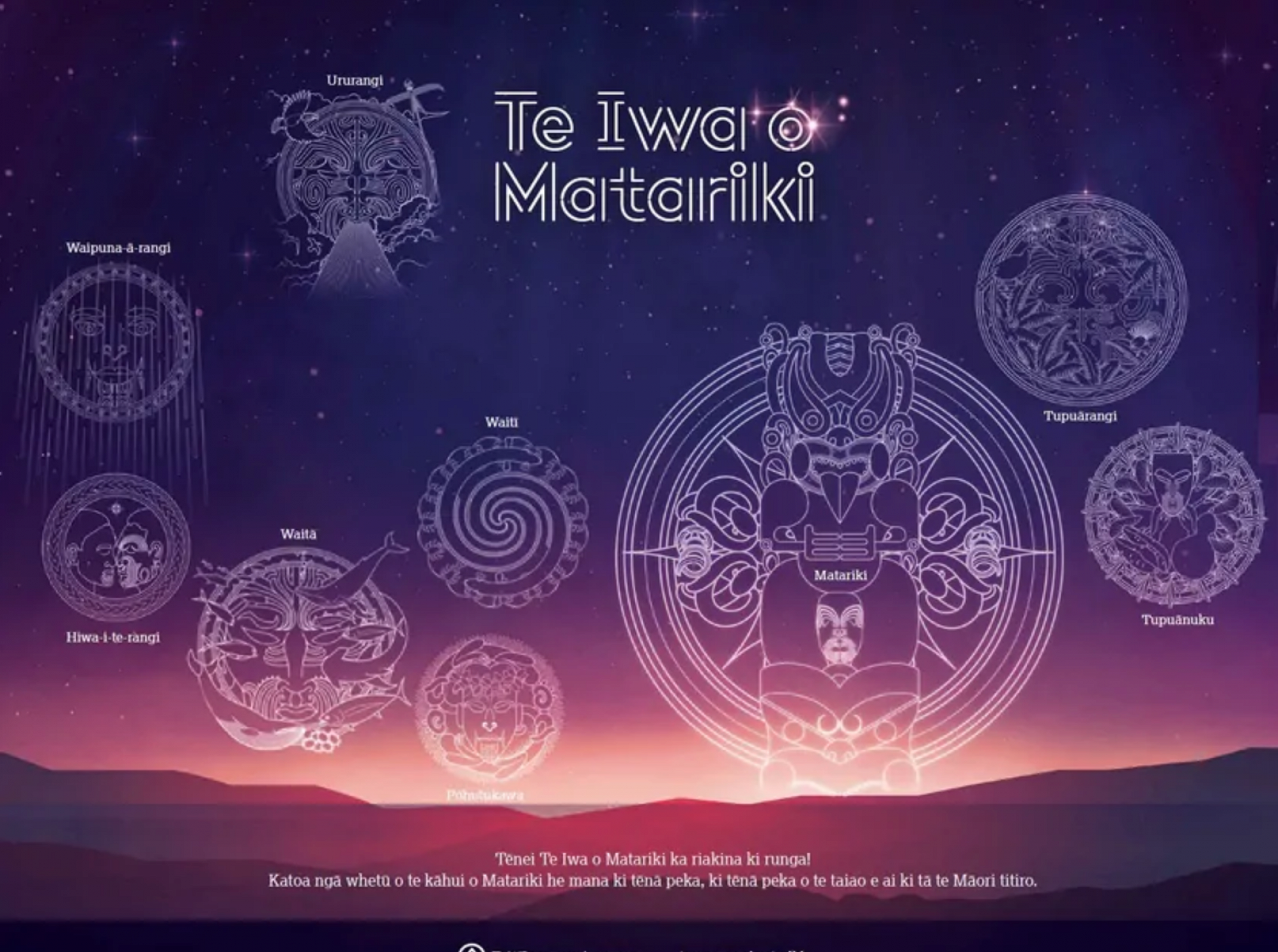
Image: Courtesy of Mapua School by Philippa Jackson
Am I receiving enough nourishment?
This includes food, of course, but also rest, connection, care, pleasure, intimacy, fresh air, nature, support and time that belongs to me.
What am I cultivating?
What am I building through the small choices I make most days? Better sleep? Strength? More stable energy? A steadier relationship with food? Greater capacity? More space in my life?
How connected do I feel?
Who helps me feel grounded? Where do I feel most like myself? What helps me reconnect when life starts to feel too busy, too noisy or too far removed from what matters?
How am I responding to change?
What has shifted this year? What am I adapting to? What might become easier if I worked with the season I am in, rather than expecting myself to keep operating as though nothing has changed?
What do I want to give more attention to in the months ahead?
This does not need to be a grand declaration or a list of goals. It may be something quite practical: more sleep, more strength, better meals, more time outside, a health concern you have been putting off, a relationship that needs tending, or simply a little more room to breathe.
Working with the season
Health is rarely built through big gestures.
More often, it is built through the small, repeated things that shape the conditions of your life. Going to bed a little earlier. Cooking food that actually nourishes you. Moving in a way that supports your body. Booking the appointment. Taking the walk. Saying no to something that does not fit. Asking for help. Creating a little more space between one thing and the next.
Sometimes health looks like momentum. Sometimes it looks like a good decision made consistently over time.
And sometimes it looks like recognising that winter is asking something different of you.
Matariki is a time to remember, to reflect and to look ahead. For me, it is also a reminder that slowing down is not falling behind. It is part of working with the rhythms of nature.
Mānawatia a Matariki.
About the Author
Mary-Leigh Scheerhoorn is a Nutritional Medicine and Lifestyle Practitioner, an Accredited Metabolic Balance Consultant, and the founder of Genesis Health and Lifestyle Solutions. She works with professional midlife women experiencing fatigue, weight gain, burnout and hormonal disruption, helping them restore energy, rebalance metabolism and regain confidence in their bodies through personalised nutritional and lifestyle medicine. Click this link if you'd like to explore working with Mary-Leigh.