What Are We Actually Chasing?
“I’m tired. I just want more energy.”
It is one of the most common things I hear from clients, and it makes complete sense.
When you are exhausted, that is the problem screaming the loudest. You want enough energy to get through the day without propping yourself up with coffee, dragging yourself between commitments or collapsing on the couch at night with nothing left.
But there is another question underneath it:
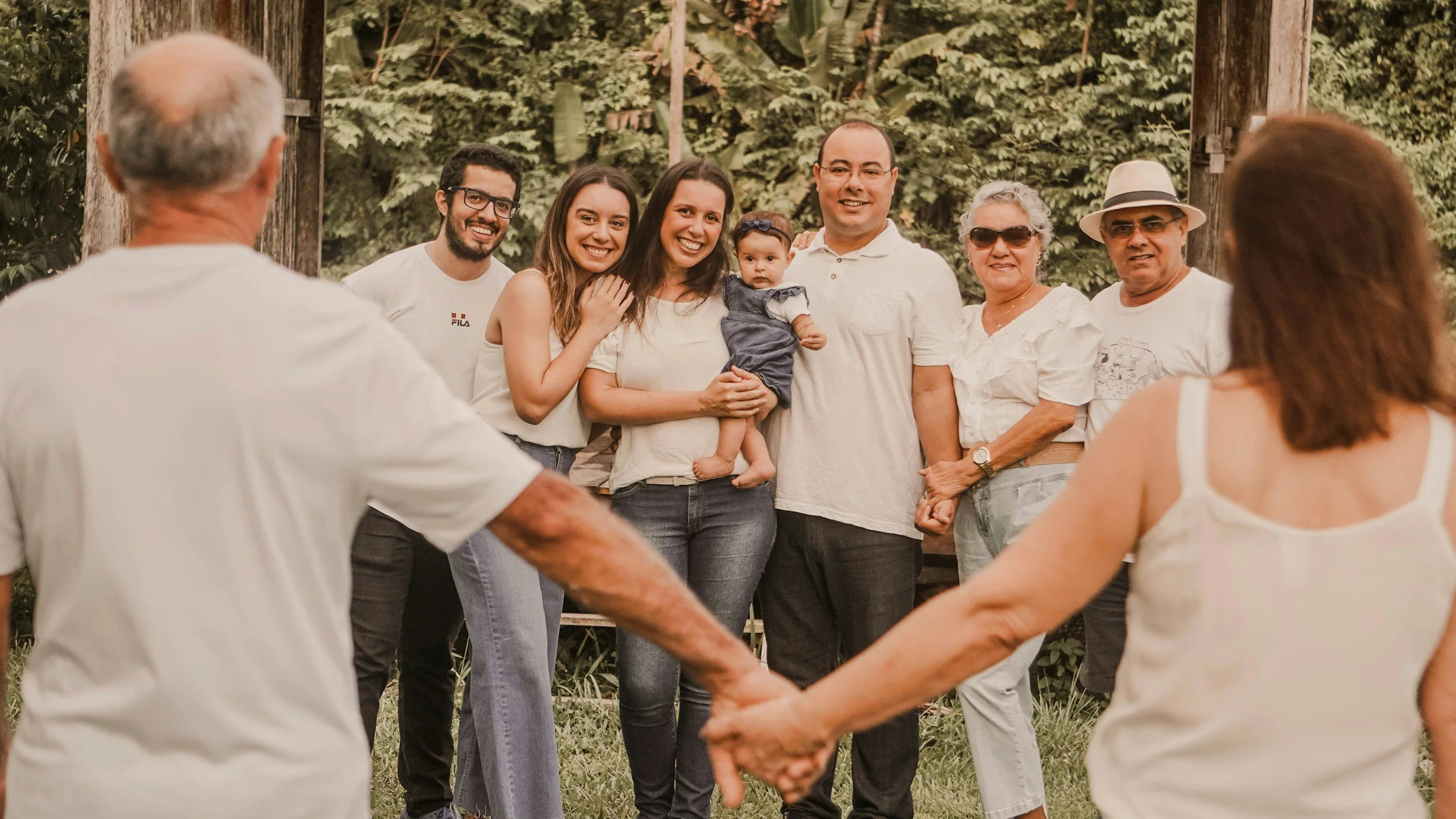
What do you want more energy for?
Is it so you can sit at your desk longer and become even more productive?
Or do you want to think more clearly, get through your work without it consuming everything you have, and arrive home with enough capacity to participate in the rest of your life?
Perhaps you want to cook, garden, train, play with your grandchildren, see friends, contribute to your community or finally have the mental space to create something.
Perhaps you simply want to feel interested in your own life again.
When wellness becomes the destination
Better energy is a perfectly reasonable health goal. So are better sleep, greater strength, fewer symptoms and a body that supports us as we age.
But none of these is really the final destination.
We don’t want better sleep so we can become exceptionally good at sleeping. We want it because sleep allows us to think, regulate, repair and function.
We don’t build strength simply to produce better numbers on a machine. We build it so we can carry our groceries, get up from the floor, hike somewhere beautiful and remain capable in our own lives.
We don’t want longevity merely to collect more years. We want years in which we can still connect, contribute, choose and experience.
Somewhere along the way, however, wellness itself has become the project.
We track our steps, sleep stages, glucose, heart rate, calories, protein, biological age and recovery scores. We try to improve every number, close every ring and maintain every streak.
Some of this information can be genuinely useful. But it can also narrow our attention until managing our health begins to consume the life our health was meant to make possible.
Whose idea of wellness are we pursuing?

The wellness industry doesn’t only sell us solutions. It also quietly defines the goal.
It tells us that being well means being leaner, calmer, younger-looking, more disciplined, more productive and in greater control of our bodies.
These values are presented so consistently that we can absorb them without ever deciding whether they are ours.
Women, in particular, have been trained in this for generations. Before social media, there were magazines filled with diets, beauty rules and instructions for fixing our troublesome bodies. Now those messages arrive continuously through the phones in our hands, delivered by algorithms that have become extraordinarily good at identifying what makes us feel inadequate.
We can spend years trying to improve ourselves according to standards we never consciously chose.
We pursue weight loss, but perhaps what we actually want is freedom of movement, confidence or relief from pain.
We pursue productivity, but perhaps what we need is greater capacity and more control over where we spend it.
We pursue anti-ageing, but perhaps what we really fear is becoming invisible, dependent or disconnected from the world around us.
Those are very different needs, and they do not necessarily have the same solutions.
Health is not the point
This is becoming increasingly central to how I think about health and the philosophy behind GENESIS.
The goal is not wellness for the sake of wellness.
The goal is to live well.
Health is part of the infrastructure that allows us to participate, connect, adapt, create and contribute. It gives us greater agency over how we use our time and what we are able to say yes to.
That means the question is not only:
How do I improve my health?
It is also:
What do I want my health to make possible?
Because if we do not understand what we are moving towards, it is very easy to spend our lives pursuing somebody else’s definition of wellness.
And perhaps becoming very good at health is not the point.
Perhaps the point is having enough health available that we can get on with living.
Closing reflection
If you had more energy, better sleep or greater physical capacity, what would you want to do with it?
Not what would you get done.
What would become possible?
Next time, I’ll explore why the foundations still matter, and why no supplement, device or sophisticated protocol can reliably compensate for the biological basics that are missing.
About the author
Mary-Leigh Scheerhoorn is a Nutritional Medicine Practitioner, Health Strategist and founder of Genesis Health & Lifestyle Solutions. Her work sits at the intersection of biology, behaviour and real life, brought together through GENESIS, her systems-based approach to the art and science of living well.